
Favorite Tools and Materials for Handyman Flooring Fixes
Explore the top-rated tools and materials that make repairing and restoring flooring straightforward for DIY and professional projects.
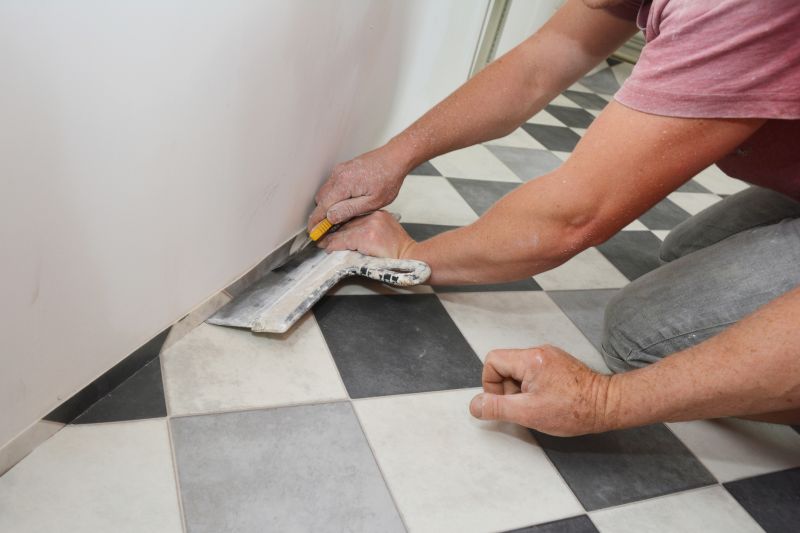 When undertaking flooring repairs, having the right set of products can make the task more manageable and ensure a cleaner, more durable finish. Handymen and DIY enthusiasts often encounter issues such as cracked tiles, loose planks, or uneven surfaces that require specific tools and materials to address effectively. Selecting appropriate repair products depends on the type of flooring, the extent of damage, and the desired outcome. From adhesives and fillers to tools designed for precise application, the right products can help restore flooring to its optimal condition.
Top Overall Option
Multi-Purpose Flooring Repair Kit
A comprehensive repair kit that includes various adhesives, fillers, and tools suitable for multiple flooring types. Its versatility makes it a popular choice for tackling different repair scenarios, from filling cracks to reattaching loose tiles. Designed for ease of use, it offers a convenient solution for both DIY enthusiasts and professional handymen seeking reliable, all-in-one repair options.
Types of Products For Handyman Flooring Repairs
Epoxy Wood Filler
Used to fill cracks and gouges in hardwood flooring, providing a durable and seamless repair.
Tile Adhesive
Specialized glue for reattaching loose or broken tiles securely to the substrate.
Floor Leveling Compound
A self-leveling compound to smooth out uneven surfaces before installing or repairing flooring.
Vinyl Floor Patch Kit
Designed for repairing tears, holes, or cracks in vinyl flooring with matching color options.
Grout Repair Caulk
Used to fill and seal grout lines, preventing water infiltration and improving appearance.
Laminate Floor Repair Kit
Includes color-matched putty and tools to fix scratches and chips in laminate flooring.
Concrete Patch
Suitable for repairing cracks and holes in concrete subfloors or slabs beneath flooring.
Adhesive Promoter
Enhances the bonding strength of adhesives on non-porous surfaces like vinyl or tile.
Sanding Blocks
Essential for smoothing out repaired areas and preparing surfaces for finishing.
Caulk Gun
A tool for applying caulk precisely into joints and cracks for sealing and finishing repairs.
Floor Scraper
Helps remove old adhesive, flooring remnants, or damaged sections before repairs.
Color-Matched Touch-Up Pens
Ideal for minor touch-ups and color corrections on various flooring surfaces.
Moisture Barrier Tape
Prevents moisture seepage under flooring, especially in basement or crawl space repairs.
Underlayment Sheets
Provides a smooth base for new flooring or repairs, improving stability and appearance.
Edge Sealant
Seals edges of flooring to prevent water damage and debris infiltration.
Popular Choices
Offers a versatile set of components suitable for various flooring repair needs, making it a trending choice among handymen.
Includes epoxy adhesive and grout for fixing broken or loose tiles with ease.
A widely used product for filling minor scratches and cracks in hardwood floors.
Popular for quick fixes on vinyl flooring tears or holes, with color-matched options.
Frequently chosen for leveling uneven subfloors before installing new flooring.
Trending for sealing gaps and joints in various flooring types, providing flexibility and durability.
Convenient for temporary fixes or securing loose tiles and planks.
Commonly used for repairing cracks in concrete subfloors or slabs beneath flooring.
Popular for smoothing out repaired areas and preparing surfaces for finishing.
Trend for sealing edges of flooring to prevent water damage and debris intrusion.
Used for minor repairs in various flooring materials, easy to apply and sand smooth.
Helpful for removing old adhesives or residues before applying new repair products.
Popular for minor aesthetic repairs and touch-ups in flooring surfaces.
Trending for protecting flooring from moisture-related issues during repairs.
Commonly used in repairs to create a smooth, stable base for new flooring layers.
Popular for restoring the appearance and sealing gaps in tiled flooring.
Flooring repair products are designed to cater to a variety of materials including hardwood, laminate, tile, vinyl, and linoleum. For example, epoxy-based fillers are commonly used to fill cracks in wood or tile, providing a seamless look once dried. Specialized adhesives are essential for reattaching loose tiles or planks, ensuring they stay securely in place. Additionally, tools like putty knives, grout removal tools, and sanding blocks are often necessary to prepare surfaces and finish repairs smoothly.
Proper preparation and the use of quality repair products can prevent further damage and extend the lifespan of your flooring. It is helpful to assess the damage carefully, choose products compatible with your flooring type, and follow manufacturer instructions for application. Whether you're fixing a small crack or replacing a section of damaged flooring, having a comprehensive set of repair products can streamline the process and deliver more professional results.
Investing in versatile, reliable repair products can also reduce the need for costly professional interventions. Many repair kits include multiple components—such as adhesives, fillers, and tools—that are suitable for various repair scenarios. This flexibility allows handymen to handle multiple types of flooring repairs with confidence, ensuring the repairs blend seamlessly with the existing surface. Overall, selecting the right products and understanding their use can make flooring repairs more efficient and satisfying.
Key Buying Considerations
- Identify the type of flooring material to ensure compatibility with repair products.
- Assess the extent of damage to determine if repairs are minor or require replacement.
- Choose products that match the color and texture of existing flooring for seamless results.
- Consider the drying or curing time of adhesives and fillers to plan your repair timeline.
- Evaluate the ease of application, especially if you are a DIY enthusiast or beginner.
- Check for the strength and durability of repair products to ensure long-lasting results.
- Look for products with clear instructions and safety guidelines for proper use.
- Determine if the repair products are suitable for high-traffic areas if applicable.
- Consider whether the products are suitable for indoor or outdoor use, depending on your needs.
- Review compatibility with subfloor materials like concrete, plywood, or existing flooring layers.
- Assess the flexibility of sealants and adhesives to accommodate flooring movement or expansion.
- Verify the availability of matching color options for aesthetic repairs.
- Think about the tools required for application and whether you have or need to purchase them separately.
- Review the product’s shelf life and storage requirements to ensure longevity.
- Consider budget constraints while balancing quality and versatility of repair products.
This page contains affiliate links. We may earn a commission if you purchase through these links, at no additional cost to you.