Ceiling Leak Repair Service in Charleston, SC
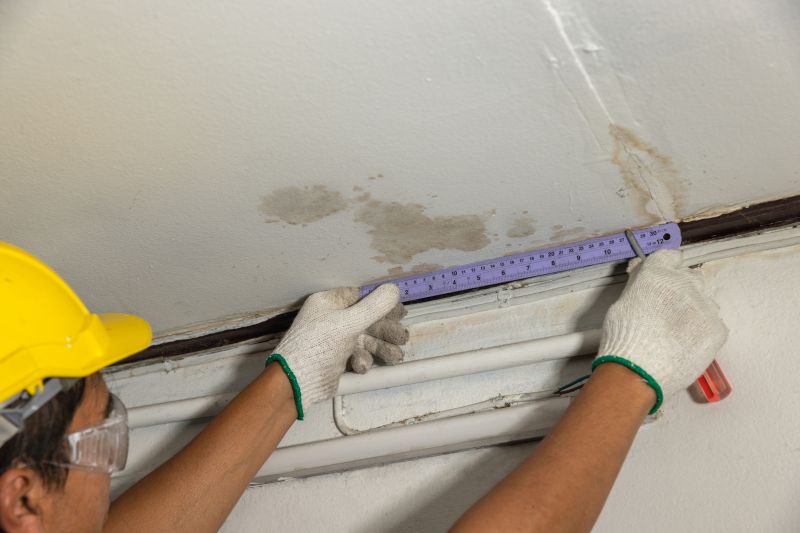
Ceiling leak repair services address issues caused by water intrusion that results in damage or staining to ceiling surfaces. These services typically cover a range of projects, including fixing leaks from plumbing fixtures, roof leaks, or HVAC systems that have penetrated the ceiling structure. Property owners usually want to understand the common causes of ceiling leaks, the signs indicating a leak, and the importance of prompt repairs to prevent further damage such as mold growth or structural weakening.
Before requesting ceiling leak repair, homeowners should assess the extent of the damage and identify any visible signs of water stains, sagging ceilings, or mold. Understanding the source of the leak is essential for effective repair, which may involve inspecting the roof, plumbing, or HVAC components. Clarifying whether the repair includes both fixing the leak and restoring the ceiling surface can help ensure the project meets expectations and prevents future issues.
Many property owners in Charleston, SC look into Ceiling Leak Repair Service for repairs, replacements, upgrades, and appearance-related improvements.
Identifying Ceiling Leaks
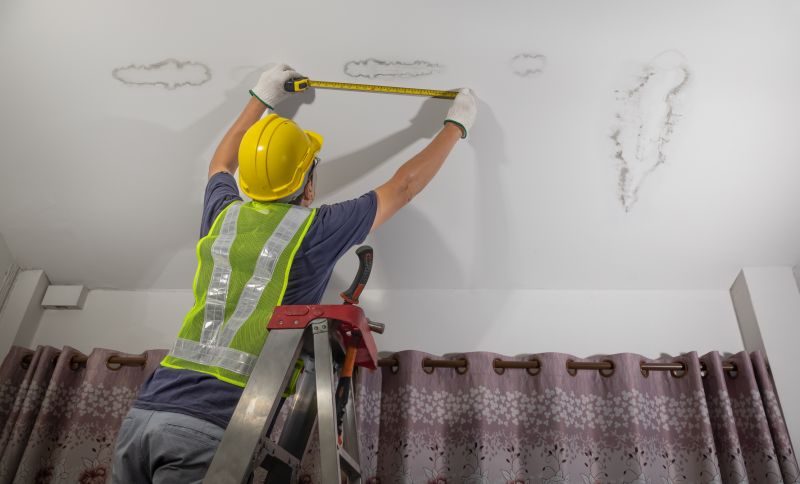
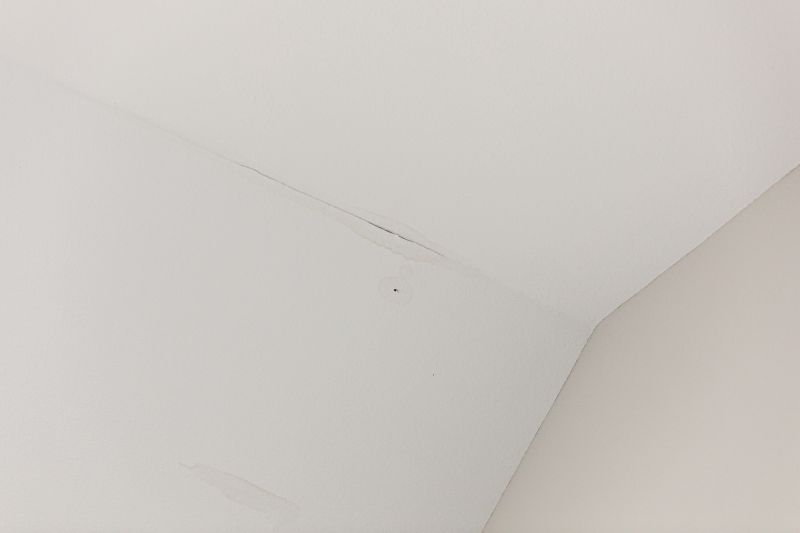
Signs of ceiling leaks often include water stains, discoloration, and sagging ceilings in charleston homes.
Common Causes Of Ceiling Leaks
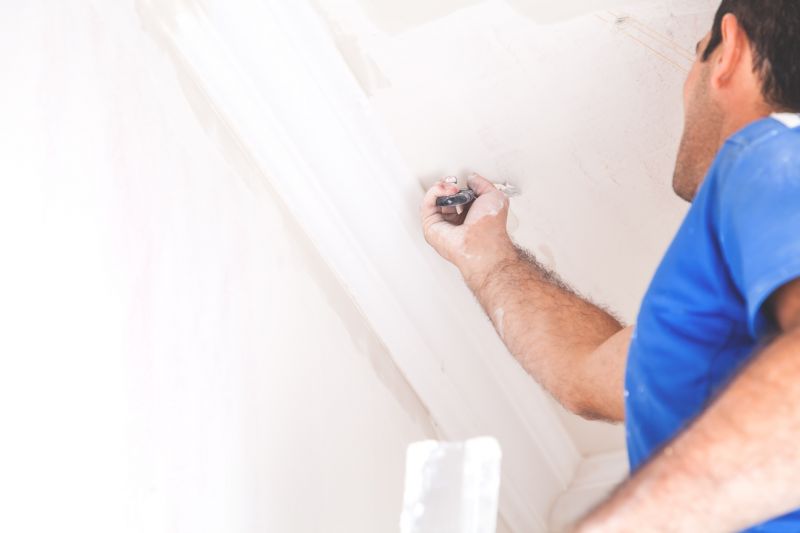
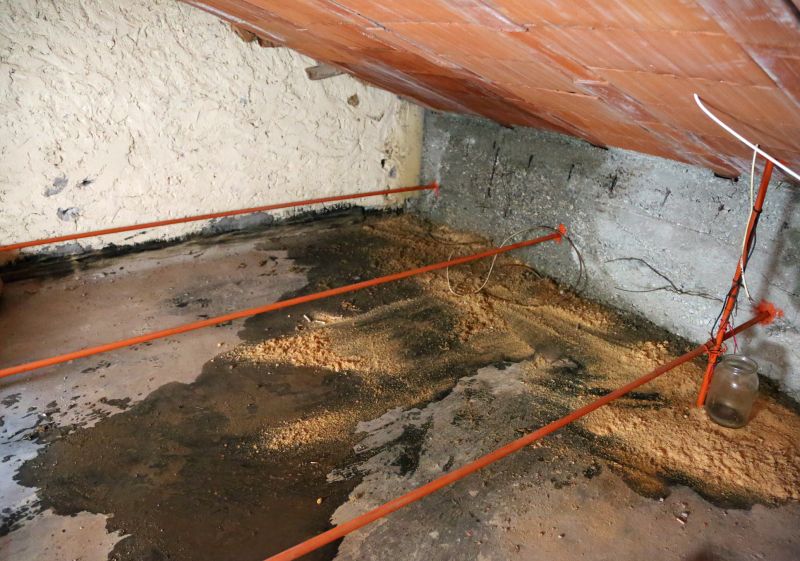
Roof damage, plumbing issues, and hvac condensation are typical sources of ceiling leaks in residential properties.
Preventing Future Damage
Regular inspections and timely repairs can help protect ceilings from water damage in charleston's climate.
Ceiling Leak Repair Service in Charleston, SC

Ceiling leak repair services address issues caused by water intrusion that results in damage or staining to ceiling surfaces. These services typically cover a range of projects, including fixing leaks from plumbing fixtures, roof leaks, or HVAC systems that have penetrated the ceiling structure. Property owners usually want to understand the common causes of ceiling leaks, the signs indicating a leak, and the importance of prompt repairs to prevent further damage such as mold growth or structural weakening.
Before requesting ceiling leak repair, homeowners should assess the extent of the damage and identify any visible signs of water stains, sagging ceilings, or mold. Understanding the source of the leak is essential for effective repair, which may involve inspecting the roof, plumbing, or HVAC components. Clarifying whether the repair includes both fixing the leak and restoring the ceiling surface can help ensure the project meets expectations and prevents future issues.
Many property owners in Charleston, SC look into Ceiling Leak Repair Service for repairs, replacements, upgrades, and appearance-related improvements.
Common Ceiling Leak Repair Service Jobs
Ceiling leak repairs address water intrusion that causes staining and damage to interior ceilings.
Water damage restoration involves fixing leaks and restoring the affected ceiling areas.
Roof leak repairs prevent water from seeping into ceilings through damaged roofing components.
Pipe leak fixes resolve leaks from plumbing pipes that can lead to ceiling water stains.
Mold removal services target mold growth resulting from persistent leaks and excess moisture.
Ceiling reinforcement strengthens weakened ceiling structures after leak-related damage.

Ceiling Leak Repair Service Questions
What causes ceiling leaks? Ceiling leaks are often caused by roof damage, plumbing issues, or aging materials allowing water to seep through.
How can I tell if my ceiling has a leak? Signs include water stains, discoloration, sagging, or peeling paint on the ceiling surface.
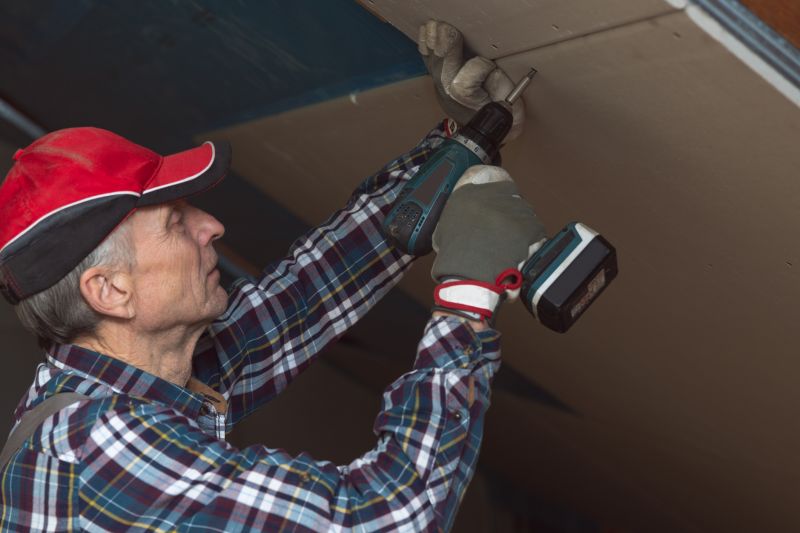
What is involved in ceiling leak repair? Repair typically involves identifying the source of the leak, fixing the underlying issue, and restoring the ceiling surface.
Is ceiling leak repair disruptive? The process is focused on minimal disturbance, with efforts made to contain and reduce mess during repairs.
Request Ceiling Leak Repair Service in Charleston, SC
Use the quote form on this page to share the basics of your project and request more information for the type of work you need.